
Iowa Pavilion
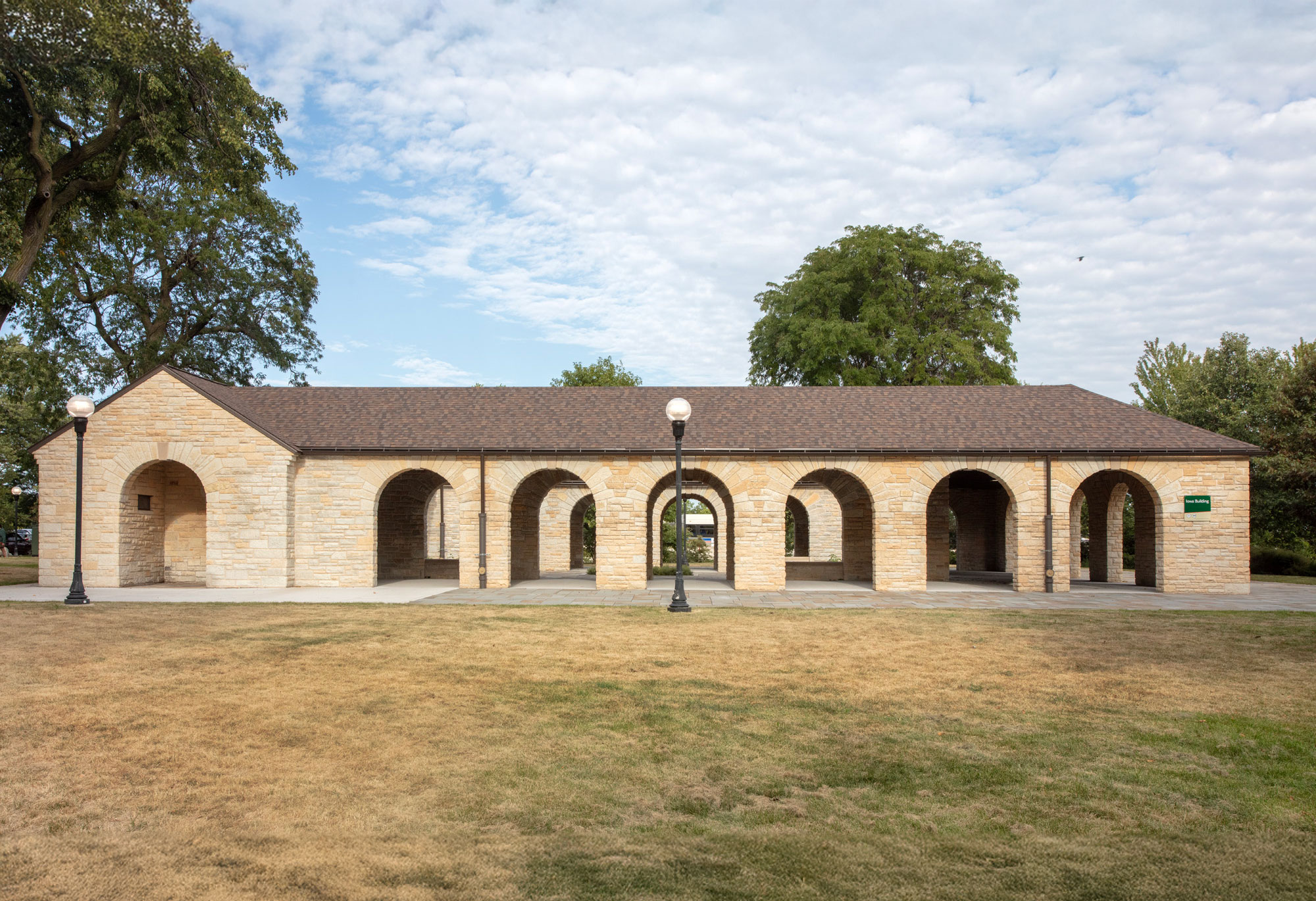
Cultivating community through rehabilitation of this public pavilion within a significant historic park.
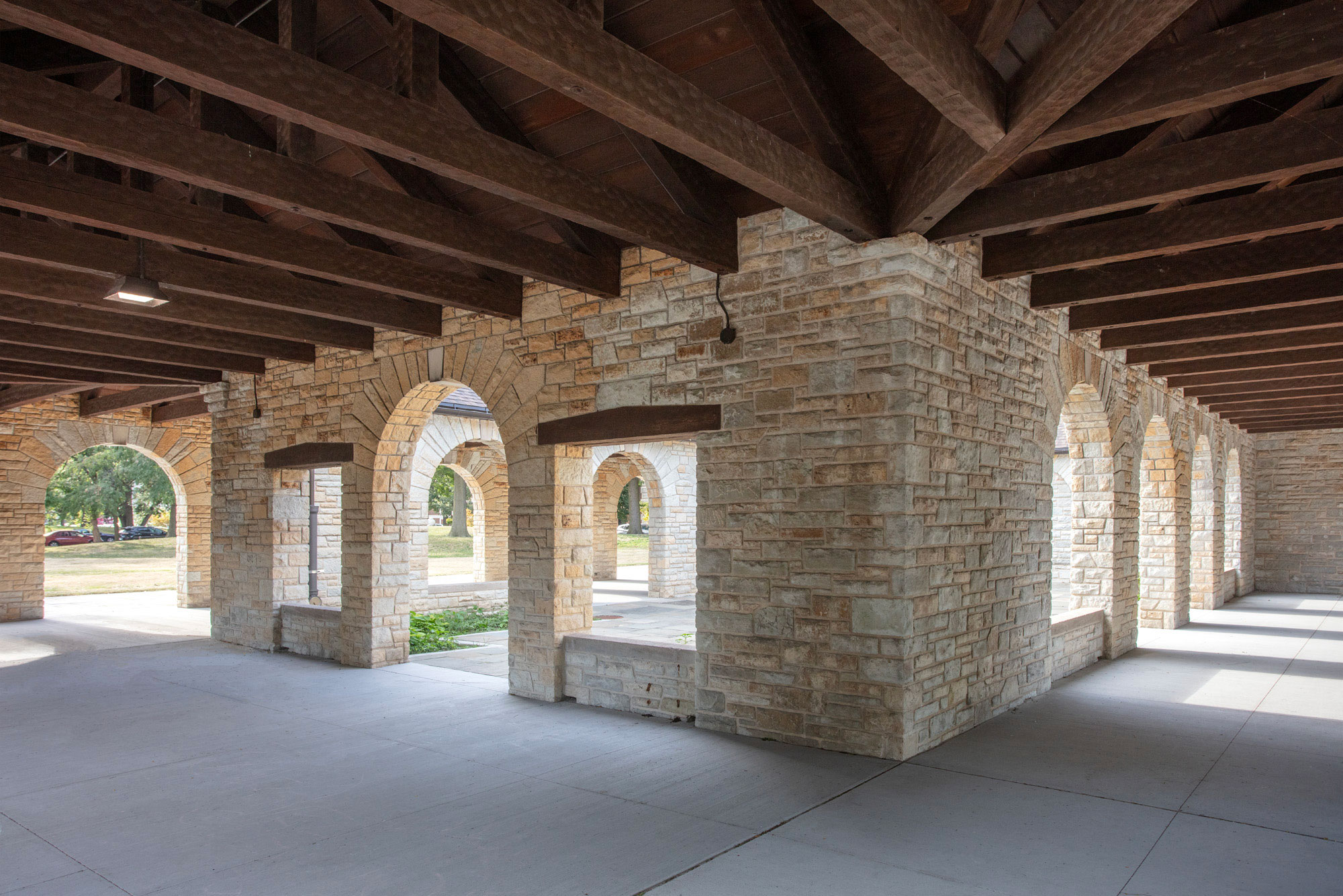
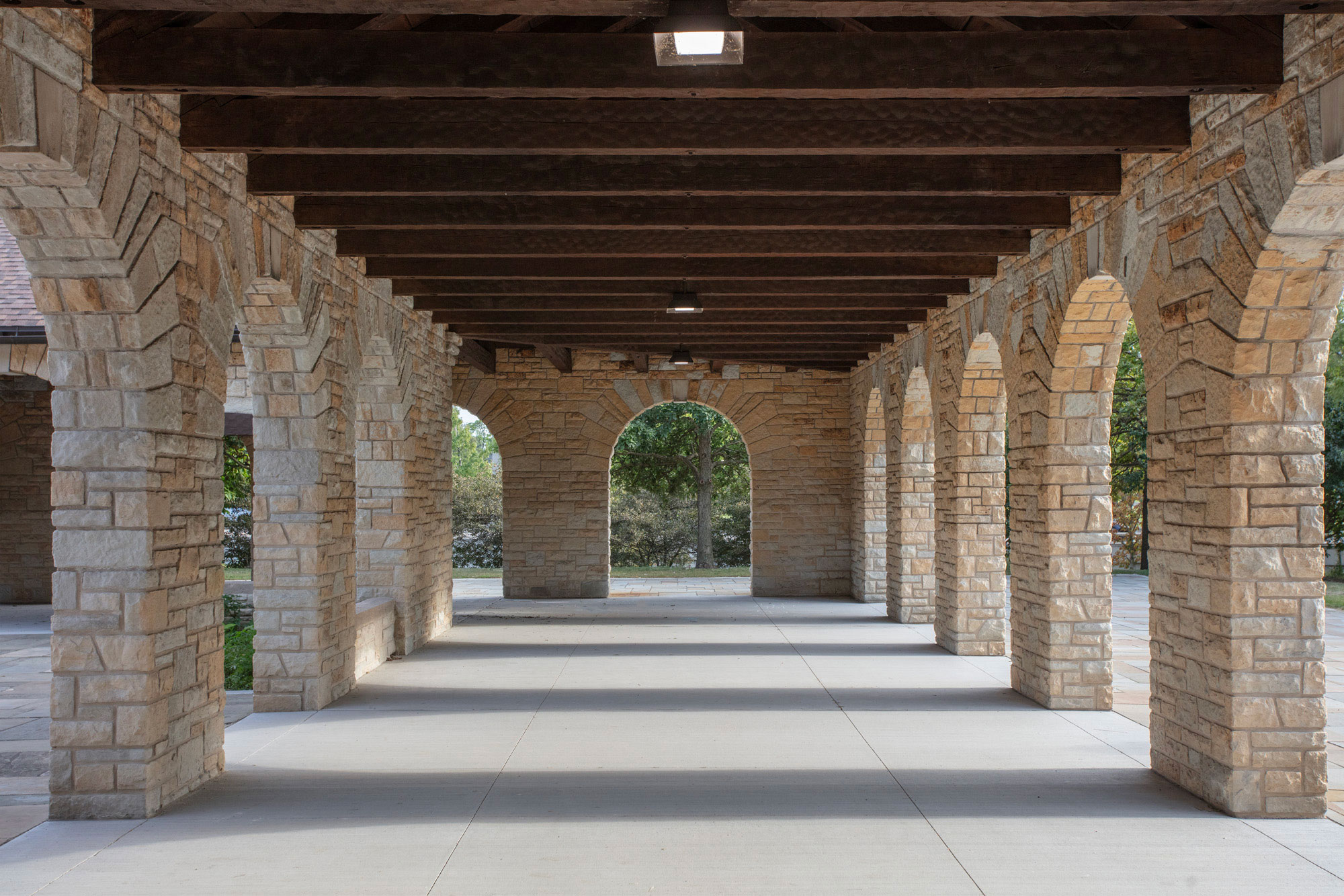
The Iowa Pavilion located in Jackson Park is a public shelter and comfort station that has served the Hyde Park neighborhood since its construction in 1937. The pavilion is a contributing feature of the park which is listed in the National Register of Historic Places.
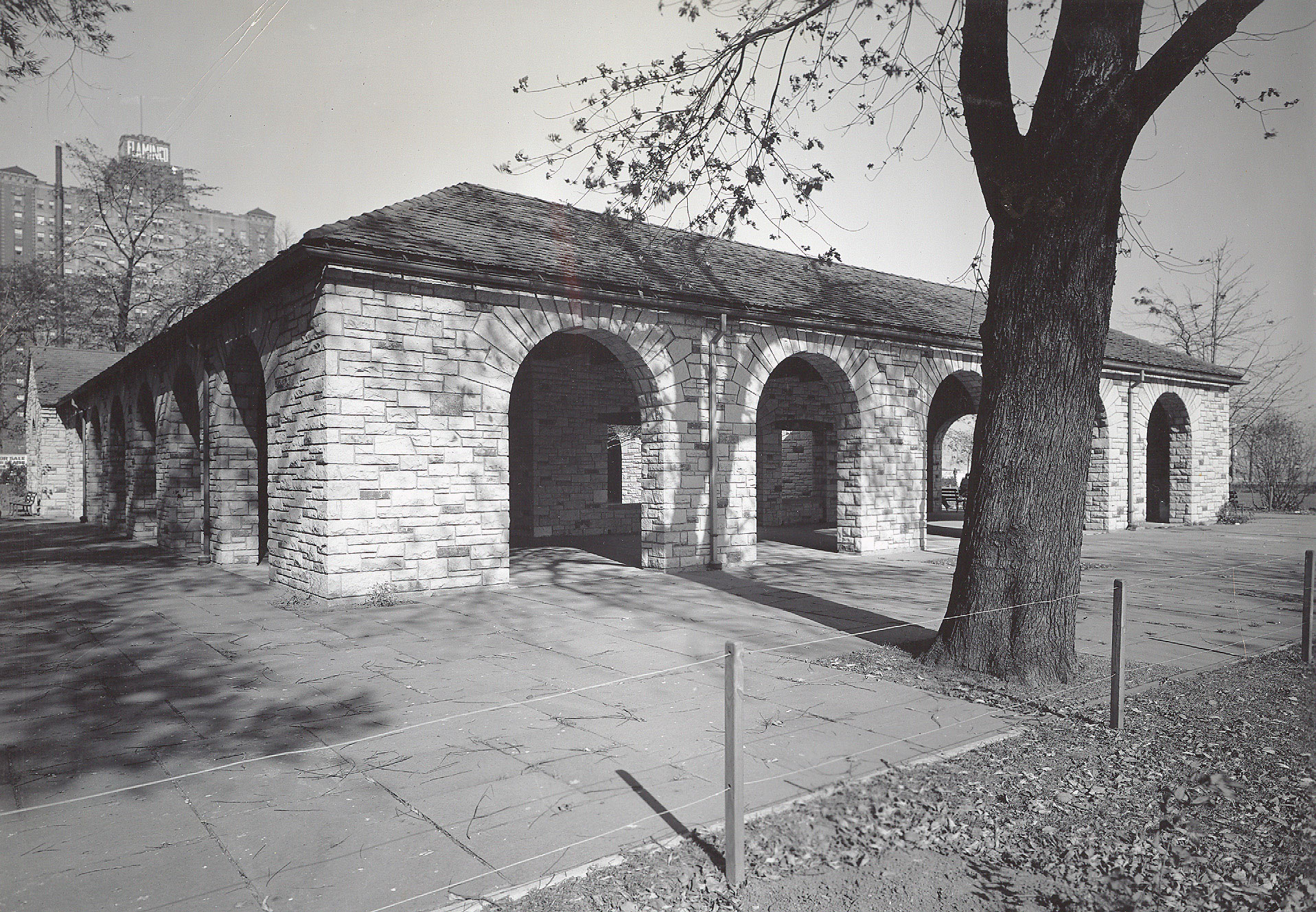
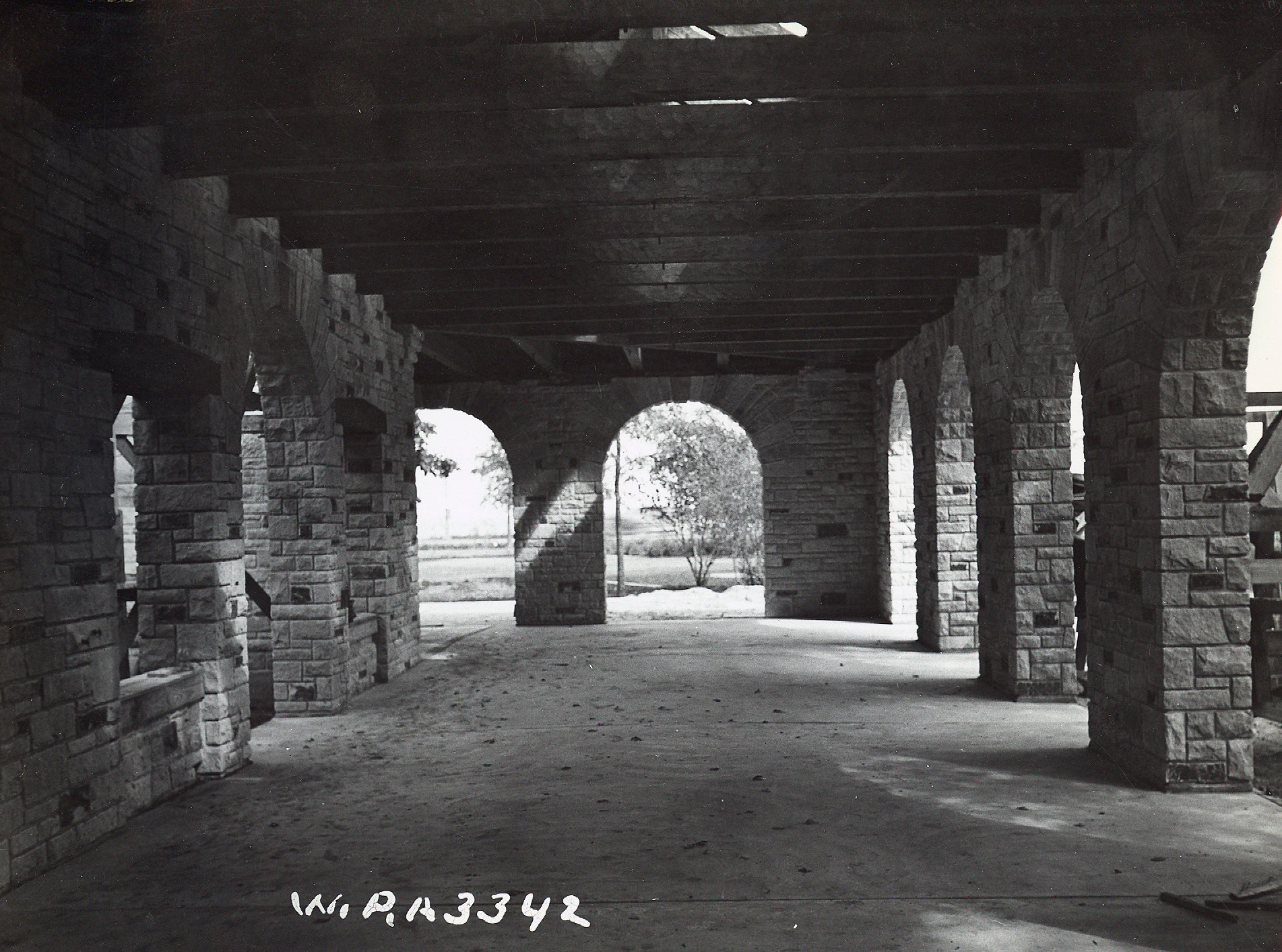
As the lead Historic Preservation Architect, JLK provided full-service design and construction administration of the pavilion’s rehabilitation. JLK conducted archival research, reviewed historic photographs and original drawings, and completed field surveys to determine existing conditions and appropriate treatments. JLK also ensured that the project conformed with the Secretary of the Interior’s Standards for the Treatment of Historic Properties.
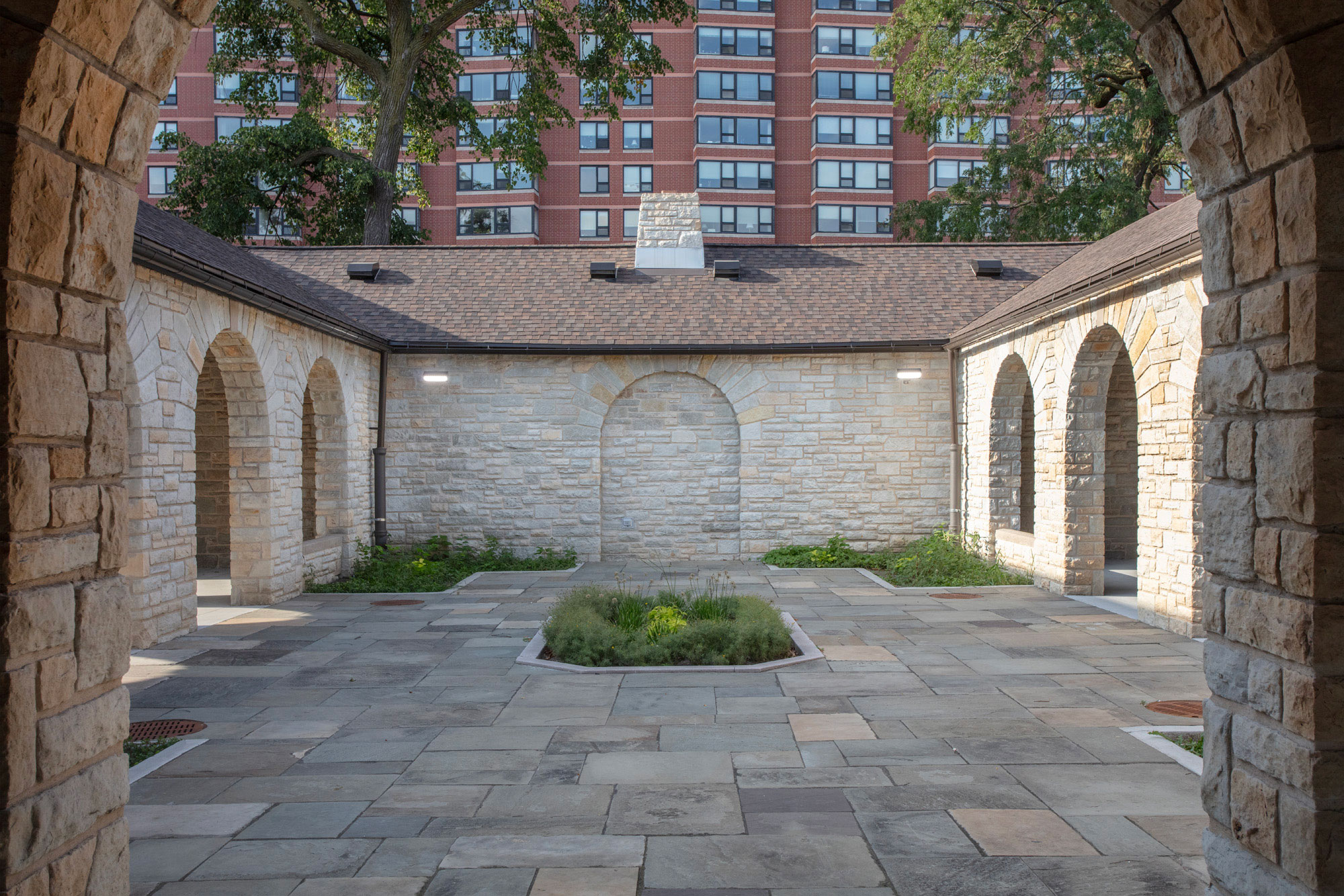
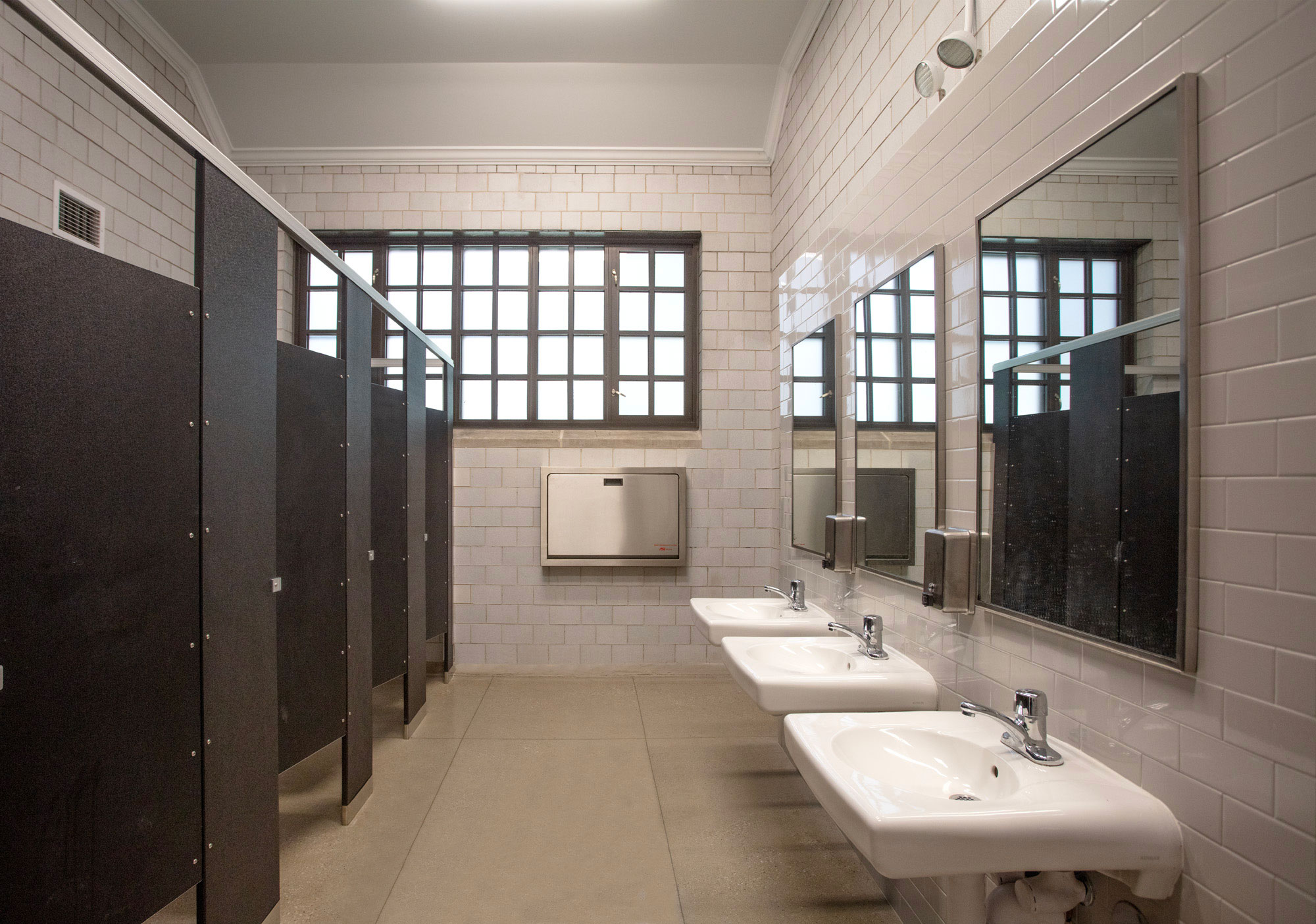
The project included accessibility upgrades, restoration of original wood doors and hardware, new replica aluminum windows, masonry repairs to the limestone cladding, roof replacement, plumbing and lighting upgrades, and complete interior renovation of restrooms. The site work also created a new and improved accessible path leading to the building restrooms, arcade, and courtyard.
The Iowa Pavilion is often mistaken to be associated with the World’s Columbian Exposition held on this site in 1893, but in truth the earlier, more elaborate Jackson Park Pavilion designed by Daniel H. Burnham actually served as the Iowa Building during the fair. After its demolition in 1936, construction swiftly began that same year on the current Iowa Pavilion which was financed in part by the Works Progress Administration (WPA) and the Museum of Science and Industry. The building is clad in Wisconsin limestone with bluestone-paved walkways and a lush interior courtyard that once housed a fountain where beach-goers could wash off their feet.
The Iowa Pavilion located in Jackson Park is a public shelter and comfort station that has served the Hyde Park neighborhood since its construction in 1937. The pavilion is a contributing feature of the park which is listed in the National Register of Historic Places.
As the lead Historic Preservation Architect, JLK provided full-service design and construction administration of the pavilion’s rehabilitation. JLK conducted archival research, reviewed historic photographs and original drawings, and completed field surveys to determine existing conditions and appropriate treatments. JLK also ensured that the project conformed with the Secretary of the Interior’s Standards for the Treatment of Historic Properties.
The project included accessibility upgrades, restoration of original wood doors and hardware, new replica aluminum windows, masonry repairs to the limestone cladding, roof replacement, plumbing and lighting upgrades, and complete interior renovation of restrooms. The site work also created a new and improved accessible path leading to the building restrooms, arcade, and courtyard.
The Iowa Pavilion is often mistaken to be associated with the World’s Columbian Exposition held on this site in 1893, but in truth the earlier, more elaborate Jackson Park Pavilion designed by Daniel H. Burnham actually served as the Iowa Building during the fair. After its demolition in 1936, construction swiftly began that same year on the current Iowa Pavilion which was financed in part by the Works Progress Administration (WPA) and the Museum of Science and Industry. The building is clad in Wisconsin limestone with bluestone-paved walkways and a lush interior courtyard that once housed a fountain where beach-goers could wash off their feet.
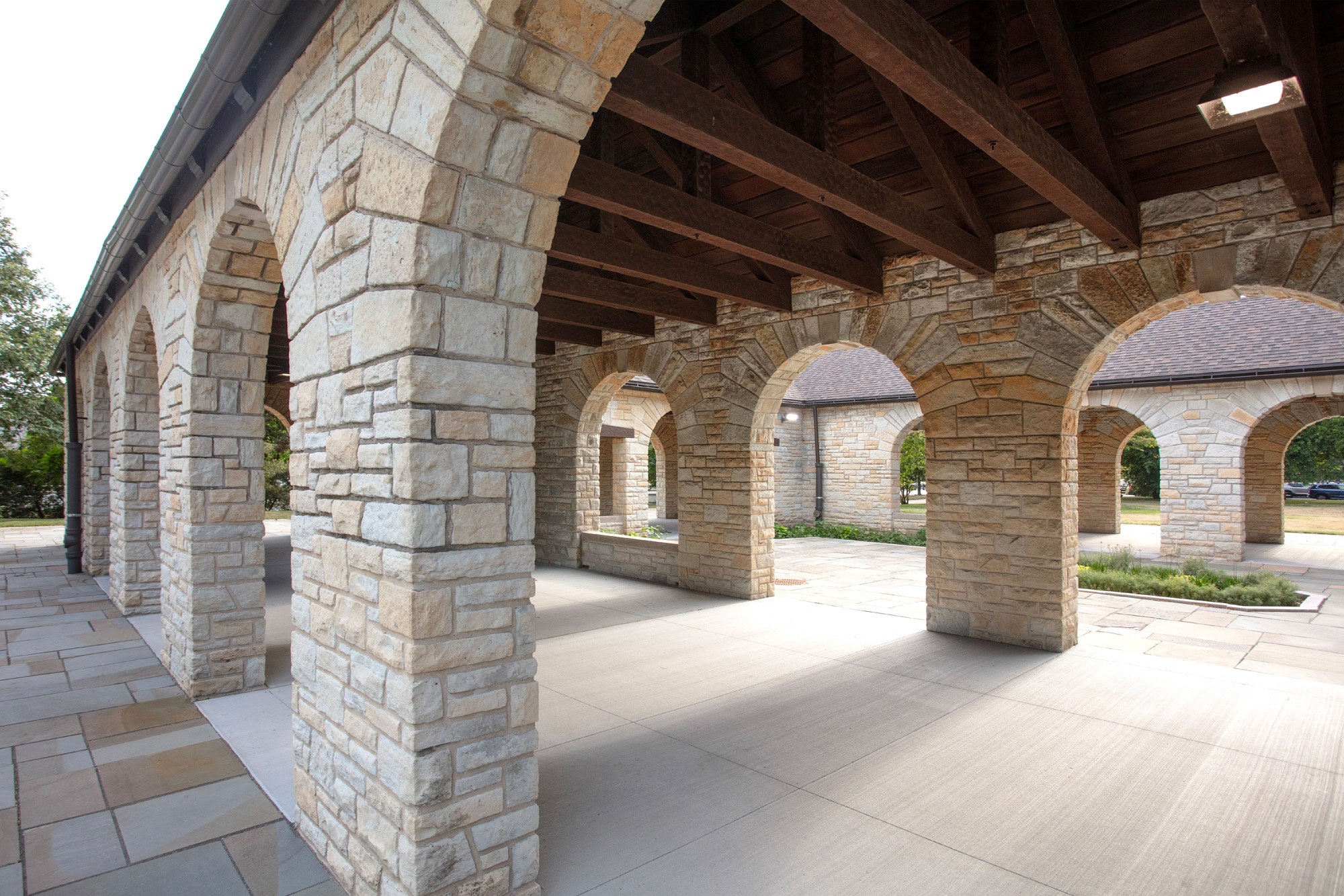
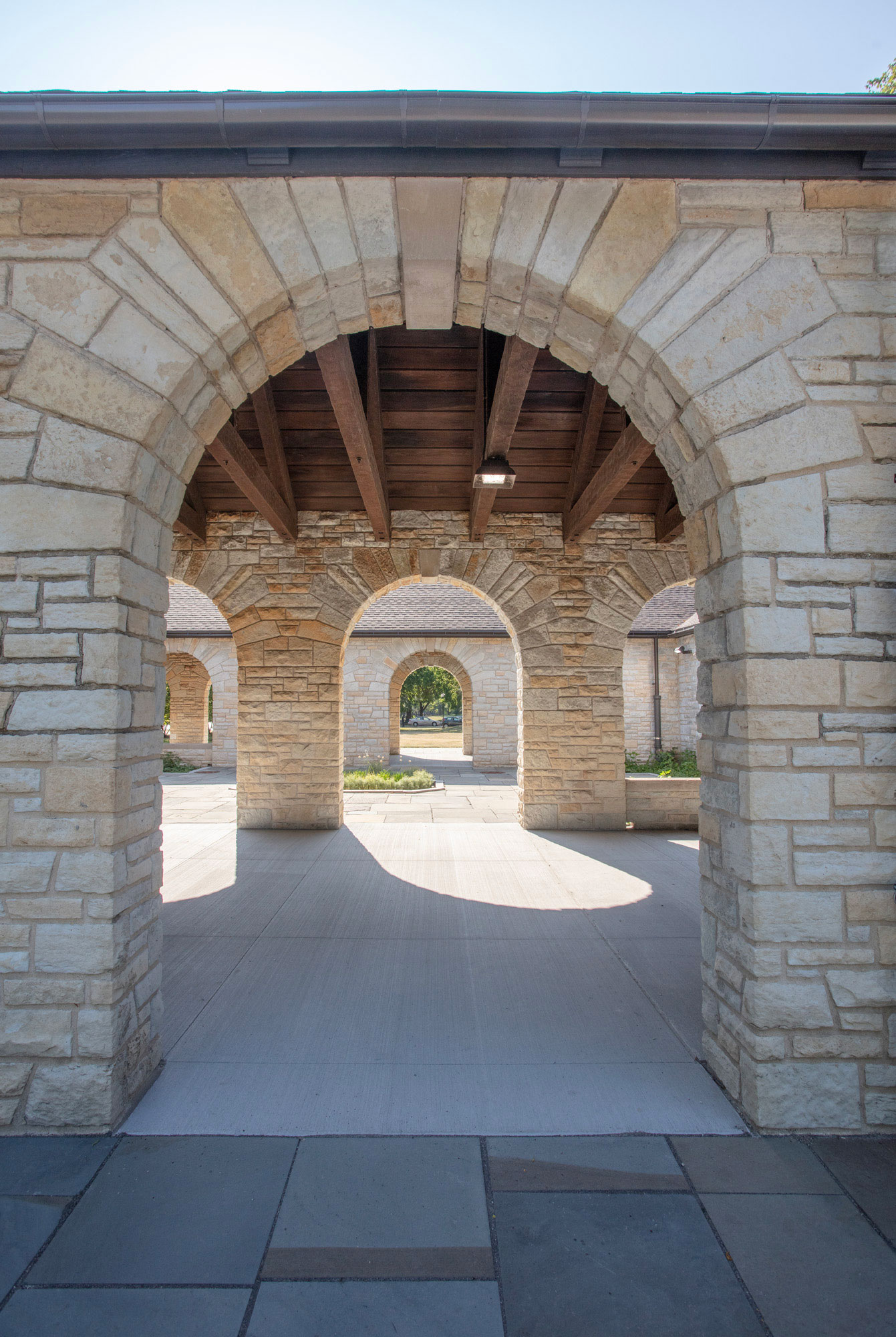
The Iowa Pavilion is now a welcoming and accessible hub for community gatherings and events.