
Damen Blue Line Elevated Station
Rehabilitation of the oldest elevated passenger station along the Blue Line.
The Damen Elevated Station is the oldest station along the Blue Line and has served the Wicker Park neighborhood since its construction in 1895.
As the lead Historic Preservation Architect, JLK provided full-service design and construction administration of the station’s rehabilitation. JLK conducted archival research, reviewed historic photographs and original drawings, and completed field surveys to determine existing conditions and appropriate treatments. JLK also coordinated with the State Historic Preservation Office and the Commission on Chicago Landmarks, and ensured that the project conformed with the Secretary of the Interior’s Standards for the Treatment of Historic Properties.
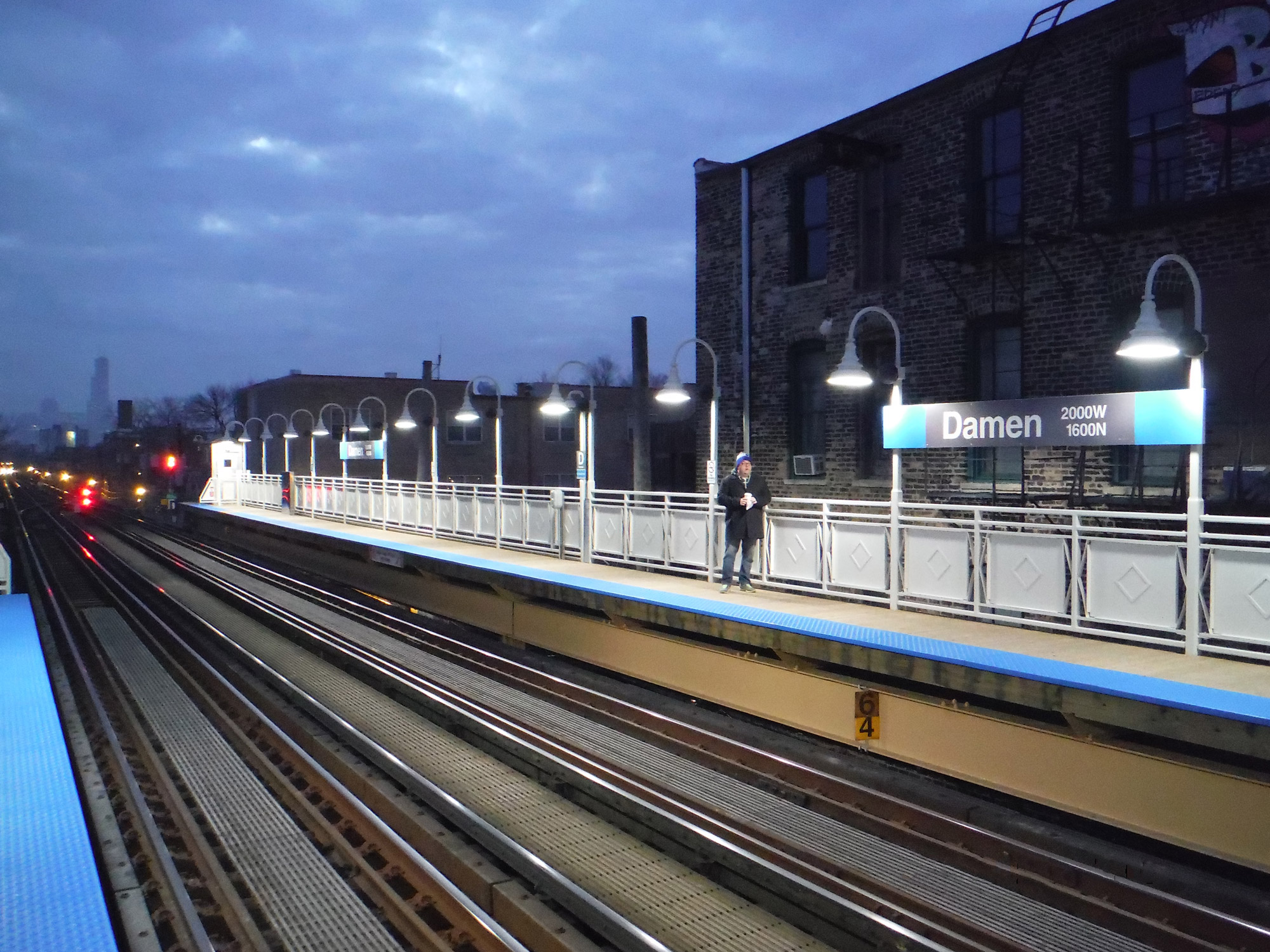
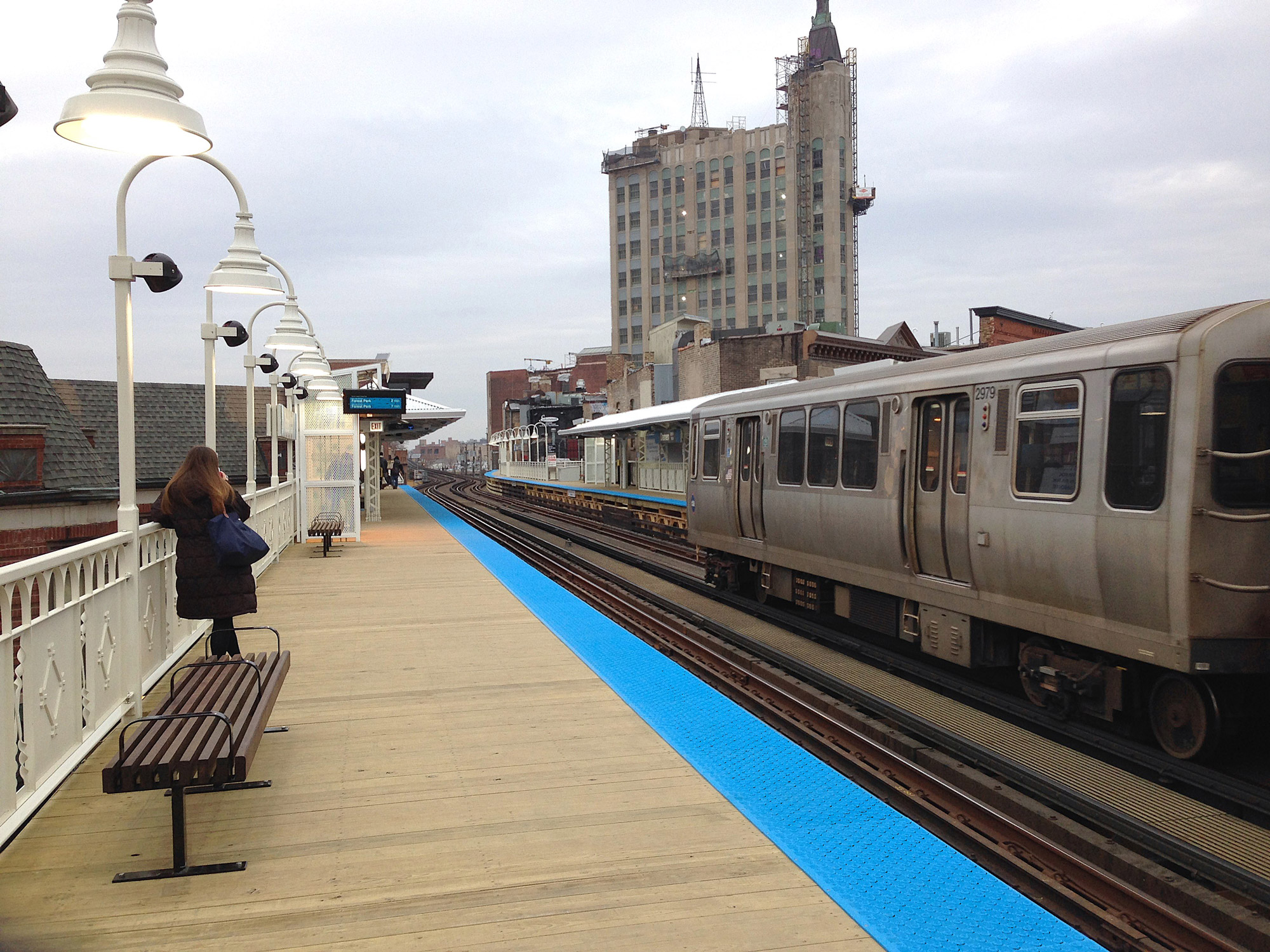
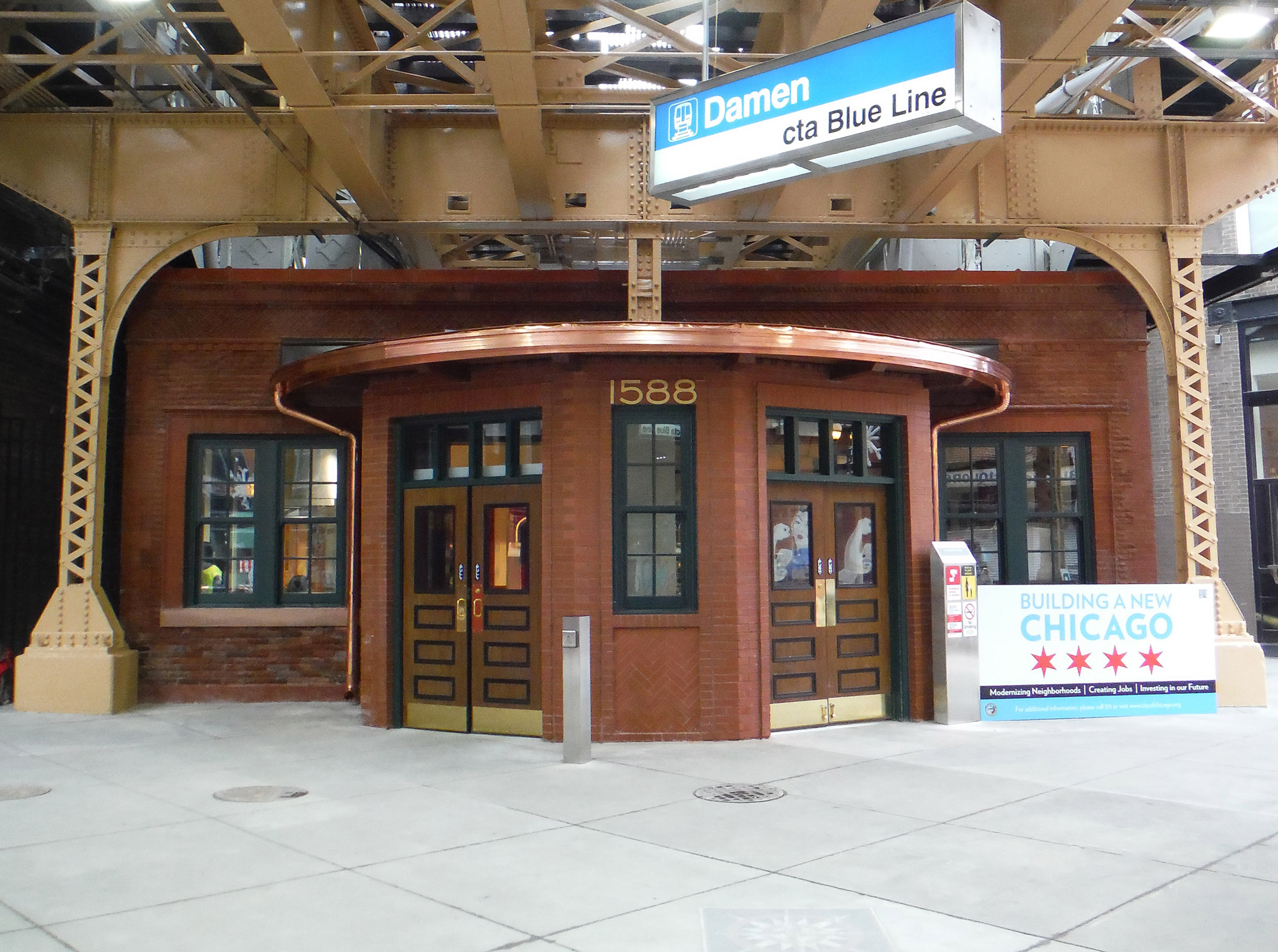
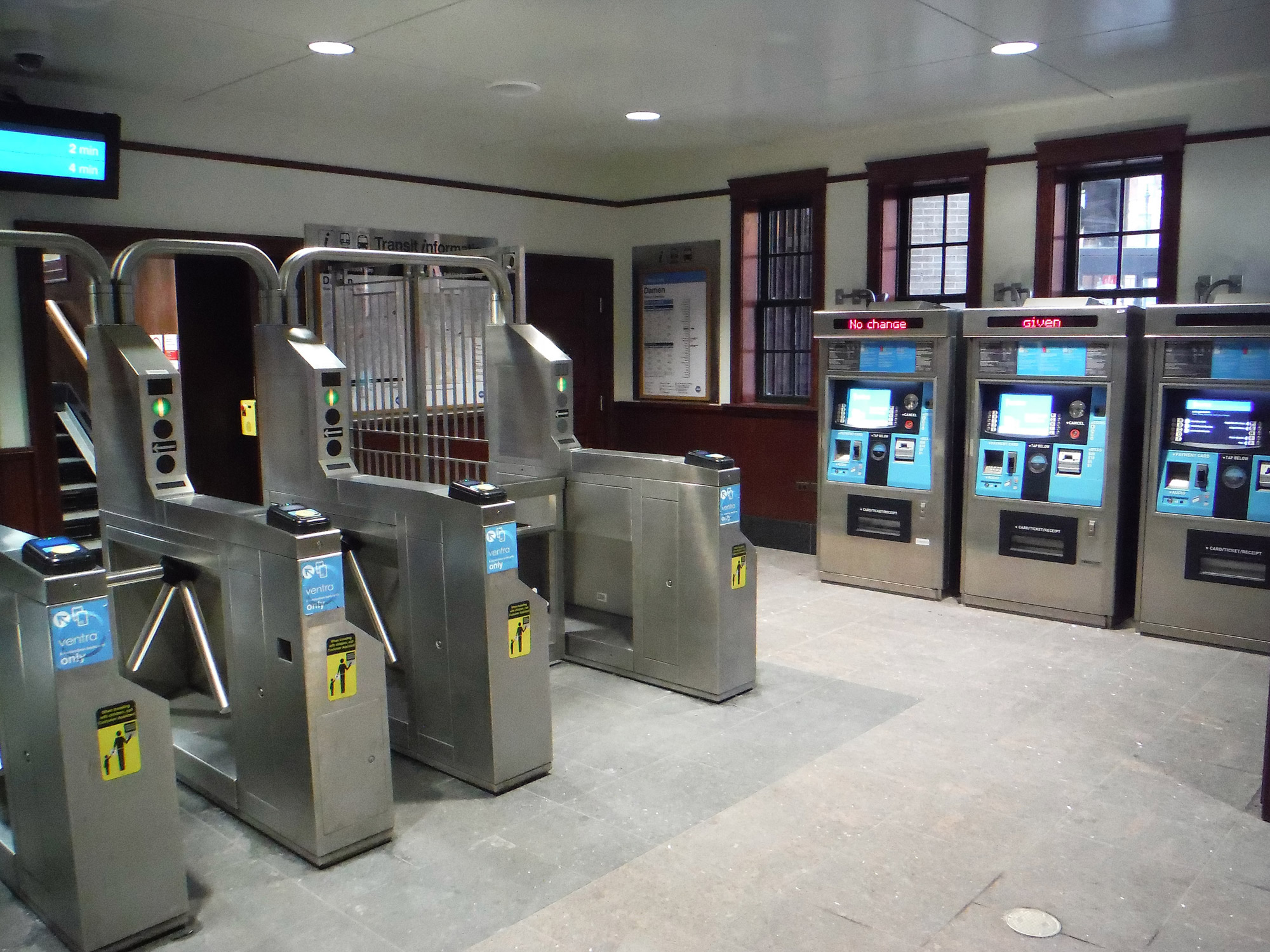
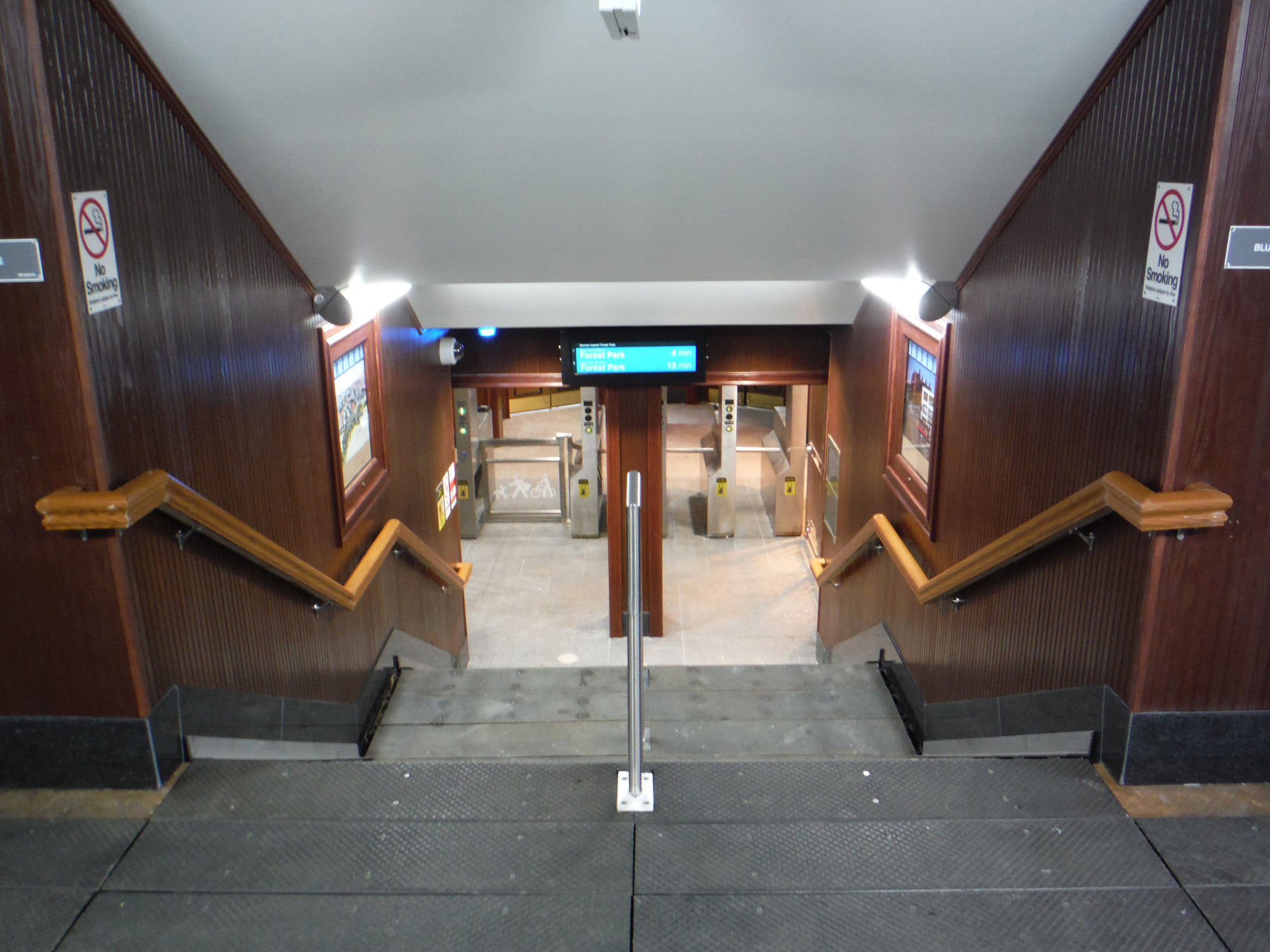
At the station building, the project included brick and terra cotta masonry restoration (including cleaning, repointing, and selective replacement in-kind), in-kind wood window replacement, in-kind door replacement with accessibility upgrades, roof replacement, interior woodwork and cement plaster restoration, lighting upgrades, modern turnstiles, and finish upgrades throughout staff areas. At track level, the project included refinishing of the original railings, replication of the original railings where not present, modification of existing light fixtures for LED functionality and replication of historic light fixtures where not present, and new wood platform decking and warning surface striping was provided.
Opened in 1895 as the “Robey Street” Station, today’s Damen Blue Line Station is the oldest along the former “Metropolitan ‘L'”s Northwest Branch. The station house is of a typical design seen at former Metropolitan L stops throughout the city. Designed by the engineering staff of the company, the red pressed brick and terra cotta clad structures are influenced by the popular Queen Anne and Romanesque architectural styles of the era. Similarly, the canopies and railings at track level are of typical design for Metropolitan Company stations.
The Damen Elevated Station is the oldest station along the Blue Line and has served the Wicker Park neighborhood since its construction in 1895.
As the lead Historic Preservation Architect, JLK provided full-service design and construction administration of the station’s rehabilitation. JLK conducted archival research, reviewed historic photographs and original drawings, and completed field surveys to determine existing conditions and appropriate treatments. JLK also coordinated with the State Historic Preservation Office and the Commission on Chicago Landmarks, and ensured that the project conformed with the Secretary of the Interior’s Standards for the Treatment of Historic Properties.
At the station building, the project included brick and terra cotta masonry restoration (including cleaning, repointing, and selective replacement in-kind), in-kind wood window replacement, in-kind door replacement with accessibility upgrades, roof replacement, interior woodwork and cement plaster restoration, lighting upgrades, modern turnstiles, and finish upgrades throughout staff areas. At track level, the project included refinishing of the original railings, replication of the original railings where not present, modification of existing light fixtures for LED functionality and replication of historic light fixtures where not present, and new wood platform decking and warning surface striping was provided.
Opened in 1895 as the “Robey Street” Station, today’s Damen Blue Line Station is the oldest along the former “Metropolitan ‘L'”s Northwest Branch. The station house is of a typical design seen at former Metropolitan L stops throughout the city. Designed by the engineering staff of the company, the red pressed brick and terra cotta clad structures are influenced by the popular Queen Anne and Romanesque architectural styles of the era. Similarly, the canopies and railings at track level are of typical design for Metropolitan Company stations.
Historic research guides the process in every preservation project.