
Racine Blue Line Elevated Station
Sleek and sensitive renovation of a historic Mid-Century elevated passenger station.
As part of CTA’s All Stations Accessibility Program (ASAP), JLK is providing ongoing Transportation and Historic Preservation architectural design services for the renovation of the historic Racine Blue Line Station built in 1958.
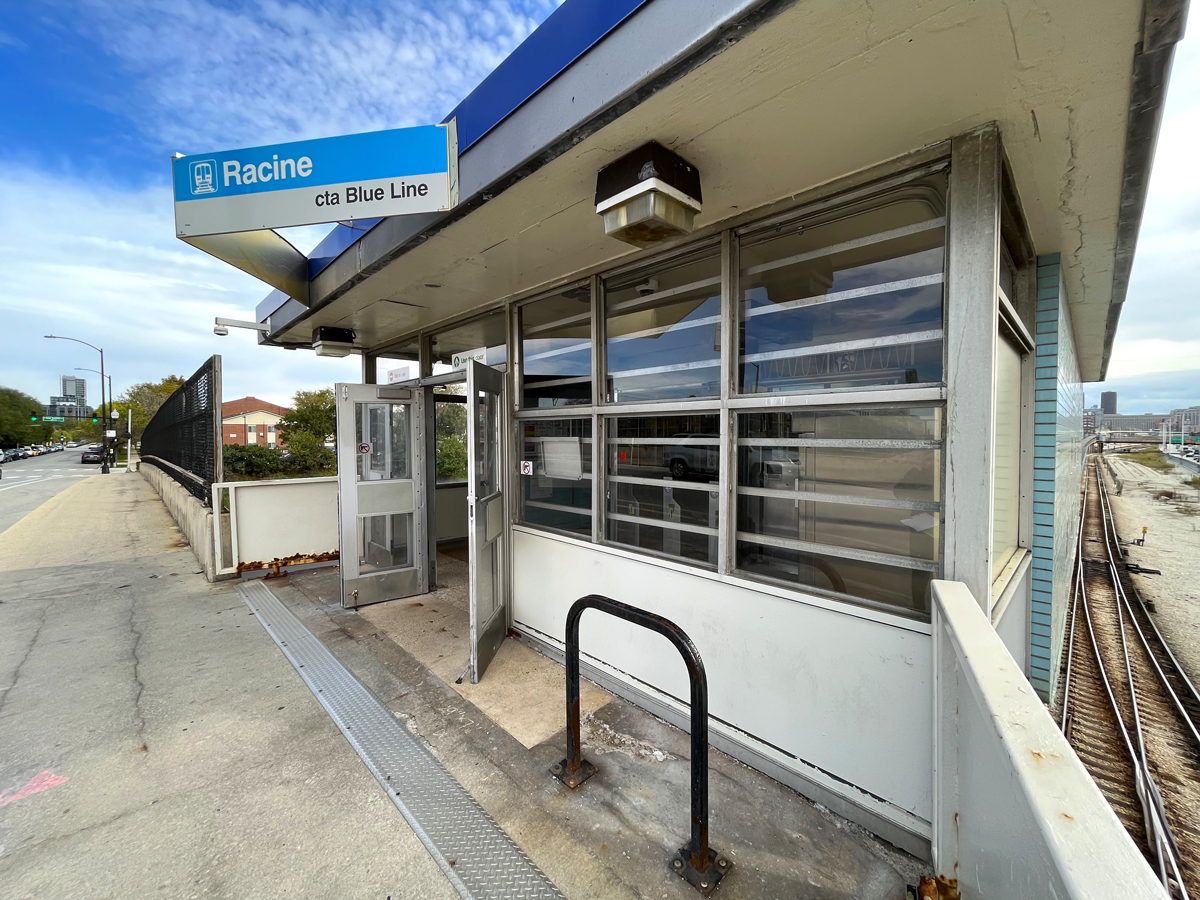
Early conditions assessments and code analysis completed by the project team indicated that, in order to achieve accessibility, the project required significant renovations and reconstruction that were not compatible with the historic design. JLK also provided Section 106 Consultation for the project, which was determined to have an adverse effect on the historic station. A Memorandum of Agreement (MOA) was signed to mitigate adverse effects through treatment specifications for the project.
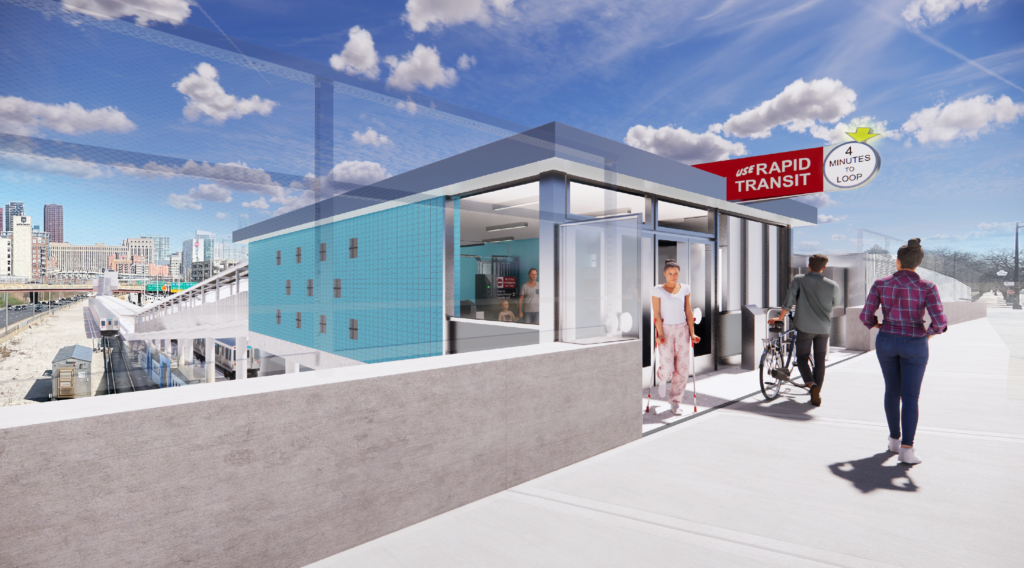
Working collaboartively with Ross Barney Architects, the project team committed to design a new station house at Racine Avenue to meet code requirements and provide full accessibility. JLK led the design of the Loomis Street station house, which is a reconstruction of the historic design with minor sensitive upgrades to meet code. Overall improvements to the station include a new elevator to provide accessible access, a new code-compliant ramp, and new platforms with steel canopies that replicate the historic design.
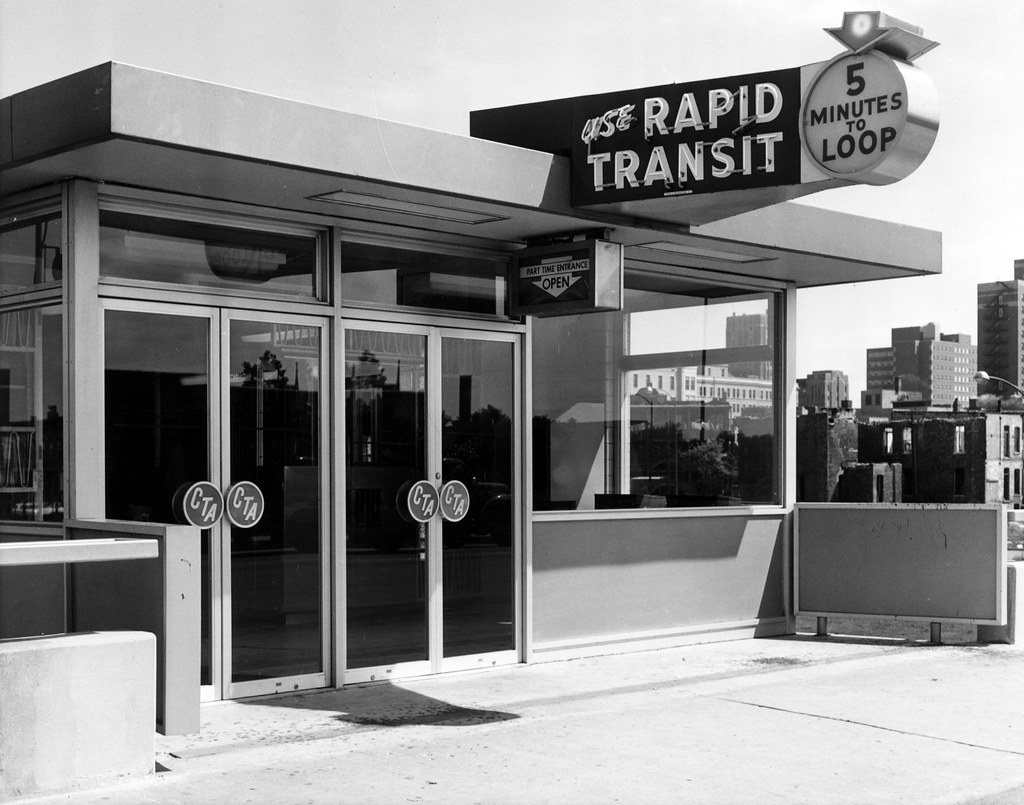
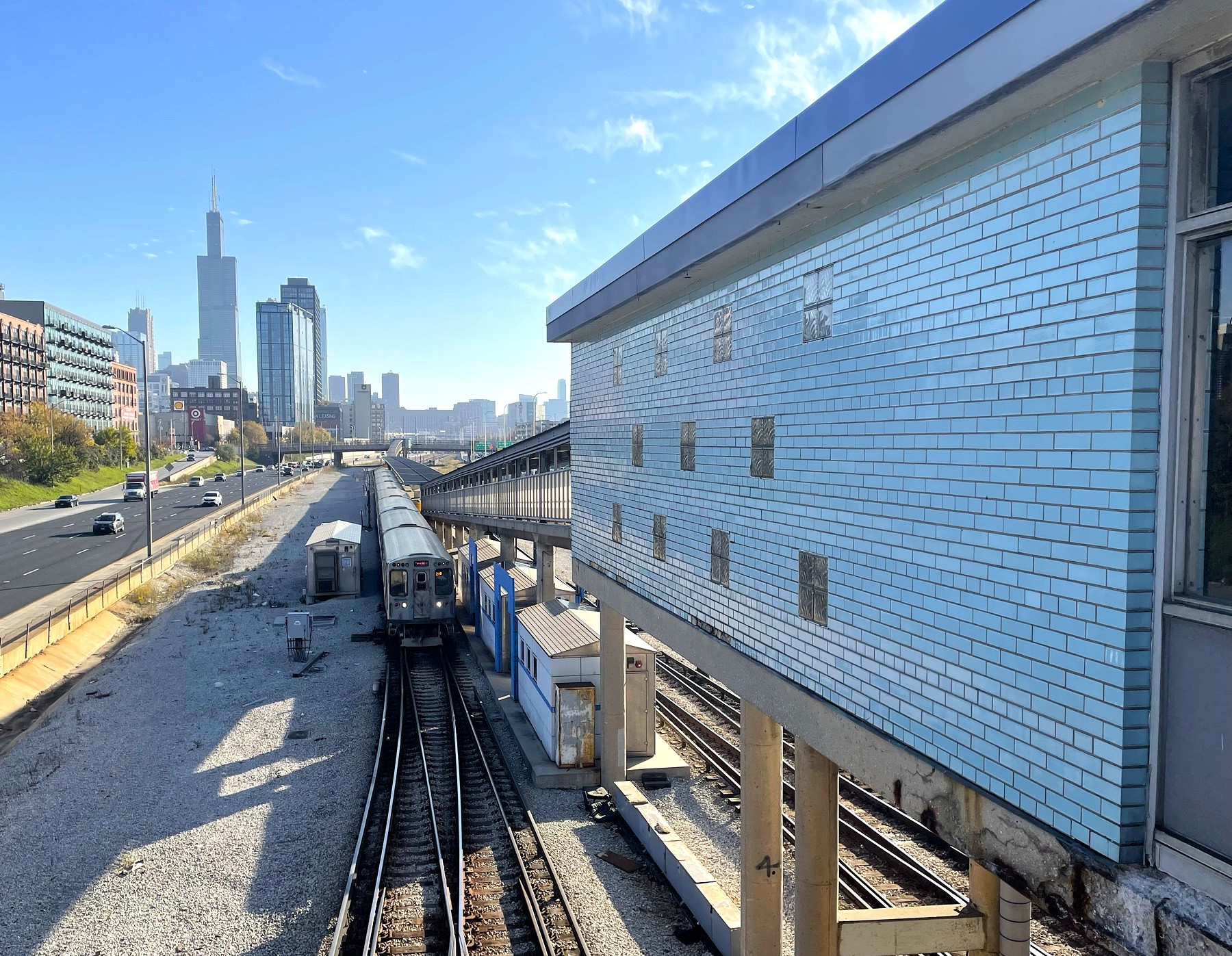
To develop the design for the Loomis Street station house, JLK conducted archival research, reviewed historic photographs and drawings, and completed field surveys to replicate existing conditions and determine appropriate treatments. JLK also coordinated with the State Historic Preservation Office during the design process to ensure that the project conformed with the Secretary of the Interior’s Standards for the Treatment of Historic Properties. The design maintains the light blue glazed brick cladding, square glass blocks, aluminum storefront and fascia, and interior terrazzo floor finish.The design also includes returing historic features that have been lost, including the cast CTA door pulls and the original “Use Rapid Transit” entrance sign.
Rendering credit to Ross Barney Architects.
The Racine Blue Line Elevated Station opened on June 22, 1958. Located between Racine Avenue and Loomis Street, the Mid-Century design of the station is typical of all Blue Line Stations built along the median of the Eisenhower Expressway (former Congress Expressway) built in 1956. This was a novel design: to includ a rapid transit rail line within a vehicular expressway corridor.
The two station houses and central platform that comprise the Racine Station are less ornamented than their late nineteenth and early twentieth century counterparts found throughout the CTA system. The exterior facades of the station houses are clad with light blue glazed bricks and feature glass block windows set in alternating patterns. The aluminum storefront entrances are protected by wide overhanging eaves and the original cast CTA door pulls contributed to the station’s sleek aesthetic.
As part of CTA’s All Stations Accessibility Program (ASAP), JLK is providing ongoing Transportation and Historic Preservation architectural design services for the renovation of the historic Racine Blue Line Station built in 1958.
Early conditions assessments and code analysis completed by the project team indicated that, in order to achieve accessibility, the project required significant renovations and reconstruction that were not compatible with the historic design. JLK also provided Section 106 Consultation for the project, which was determined to have an adverse effect on the historic station. A Memorandum of Agreement (MOA) was signed to mitigate adverse effects through treatment specifications for the project.
Working collaboartively with Ross Barney Architects, the project team committed to design a new station house at Racine Avenue to meet code requirements and provide full accessibility. JLK led the design of the Loomis Street station house, which is a reconstruction of the historic design with minor sensitive upgrades to meet code. Overall improvements to the station include a new elevator to provide accessible access, a new code-compliant ramp, and new platforms with steel canopies that replicate the historic design.
To develop the design for the Loomis Street station house, JLK conducted archival research, reviewed historic photographs and drawings, and completed field surveys to replicate existing conditions and determine appropriate treatments. JLK also coordinated with the State Historic Preservation Office during the design process to ensure that the project conformed with the Secretary of the Interior’s Standards for the Treatment of Historic Properties. The design maintains the light blue glazed brick cladding, square glass blocks, aluminum storefront and fascia, and interior terrazzo floor finish.The design also includes returing historic features that have been lost, including the cast CTA door pulls and the original “Use Rapid Transit” entrance sign.
Rendering credit to Ross Barney Architects.
The Racine Blue Line Elevated Station opened on June 22, 1958. Located between Racine Avenue and Loomis Street, the Mid-Century design of the station is typical of all Blue Line Stations built along the median of the Eisenhower Expressway (former Congress Expressway) built in 1956. This was a novel design: to includ a rapid transit rail line within a vehicular expressway corridor.
The two station houses and central platform that comprise the Racine Station are less ornamented than their late nineteenth and early twentieth century counterparts found throughout the CTA system. The exterior facades of the station houses are clad with light blue glazed bricks and feature glass block windows set in alternating patterns. The aluminum storefront entrances are protected by wide overhanging eaves and the original cast CTA door pulls contributed to the station’s sleek aesthetic.